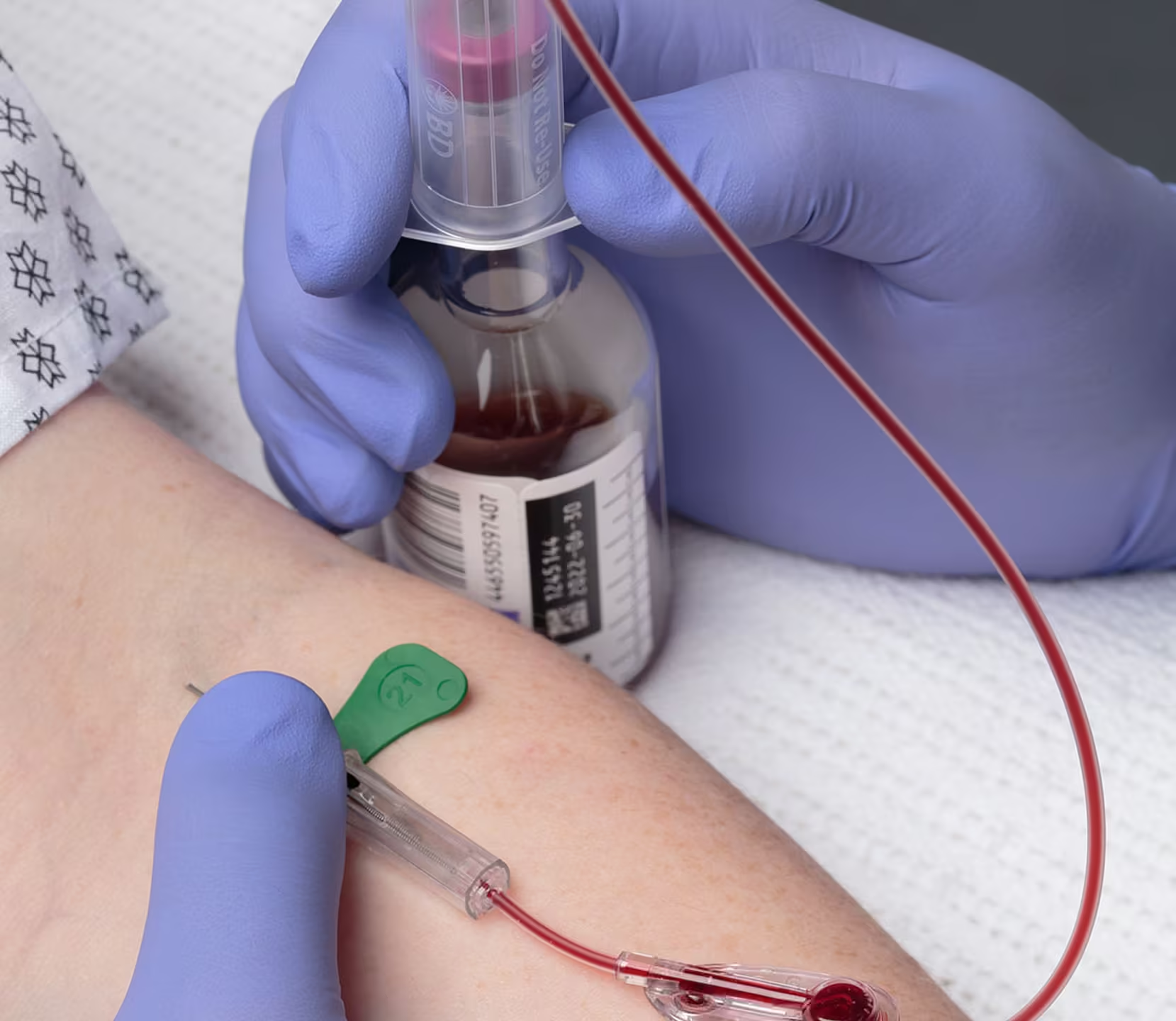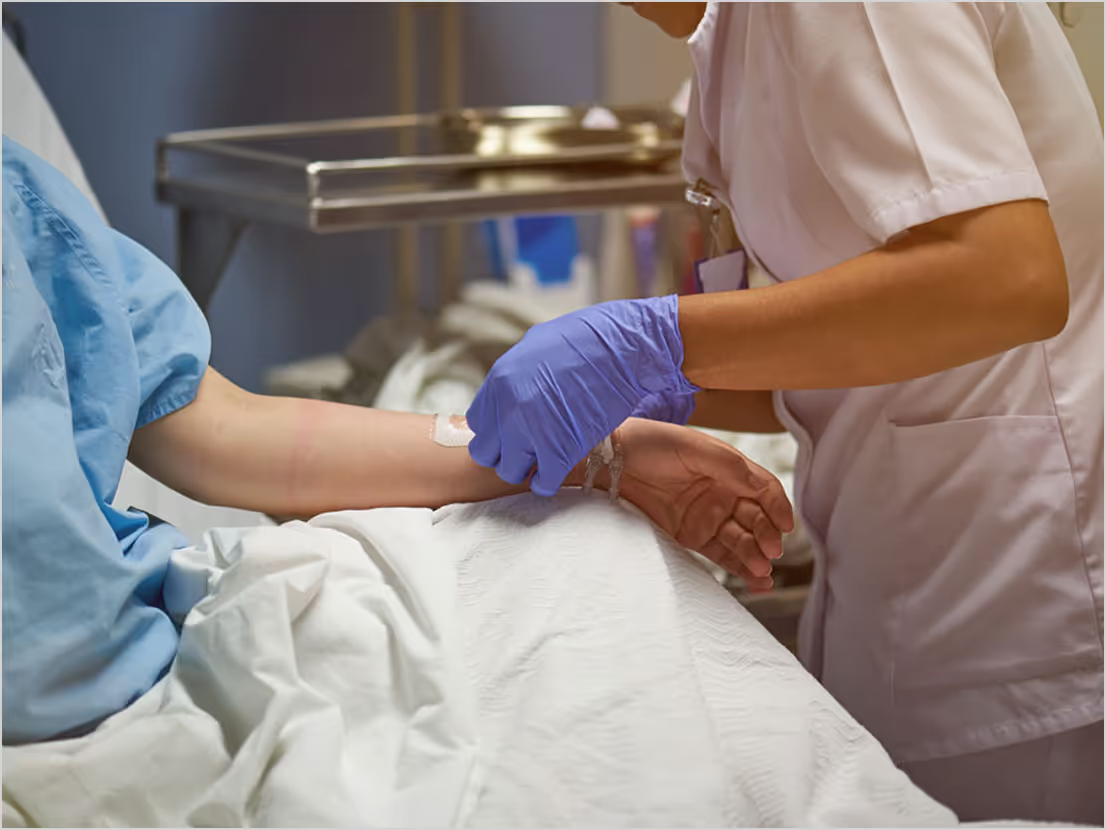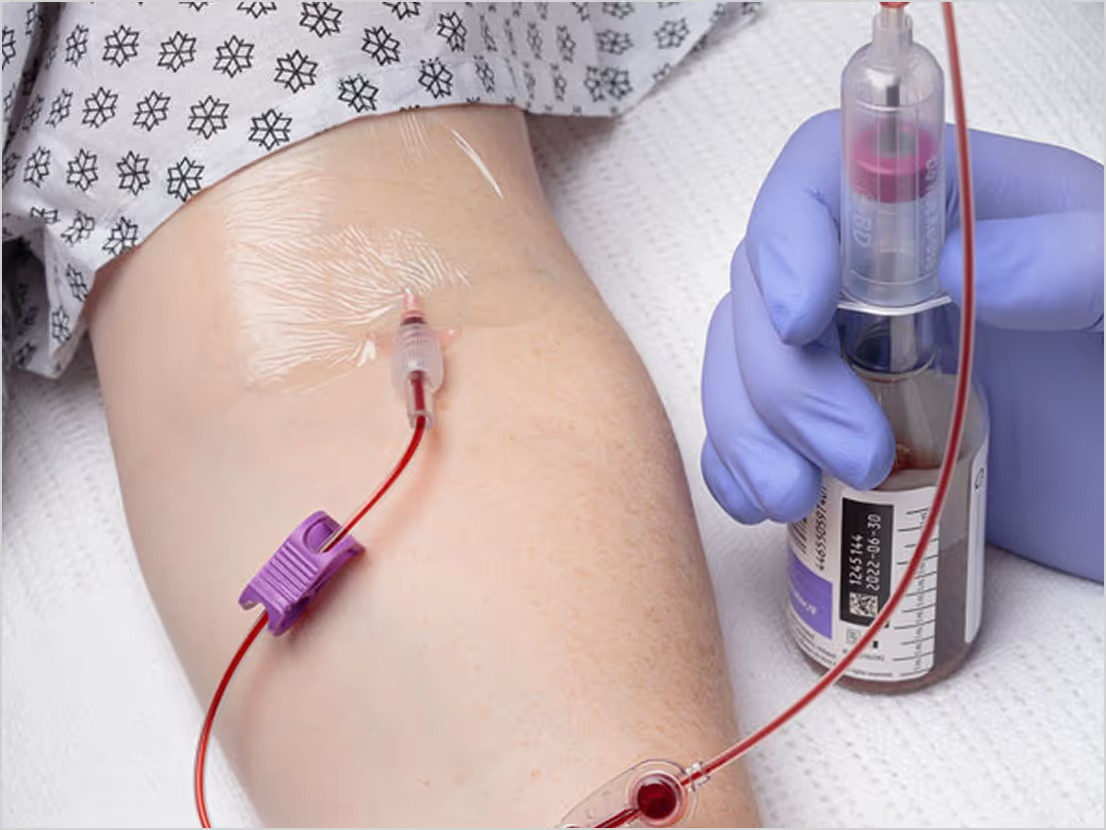
Kurin Jet for Venipuncture
Kurin Jet for freshly-placed PIV
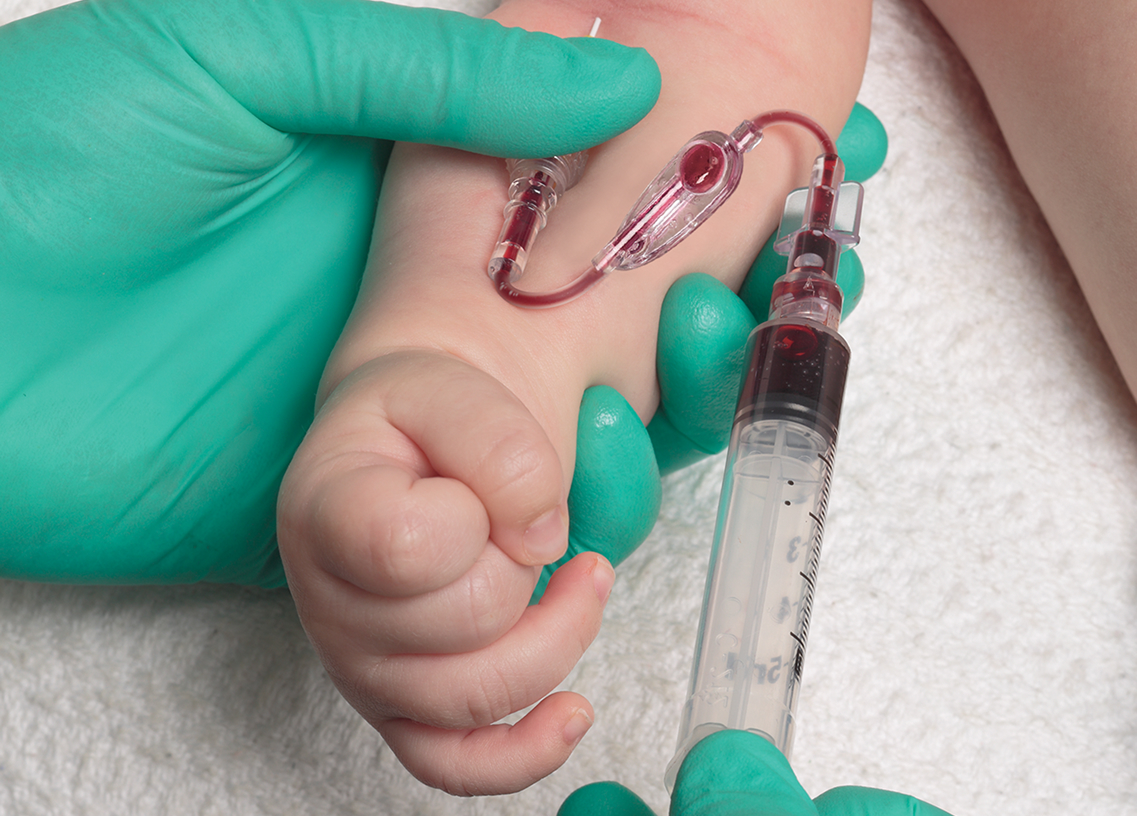
Kurin Jet for Syringe draws

Kurin Jet®

Kurin® Blood Culture Collection Sets

Building on the success of Kurin Lock® technology, 
Kurin Jet is the culmination of years of market-leading innovation, reducing preventable blood culture contamination (BCC) faster and easier than ever before.* Passive technology complements clinician workflow, ensuring high levels of compliance and sustained outcomes.

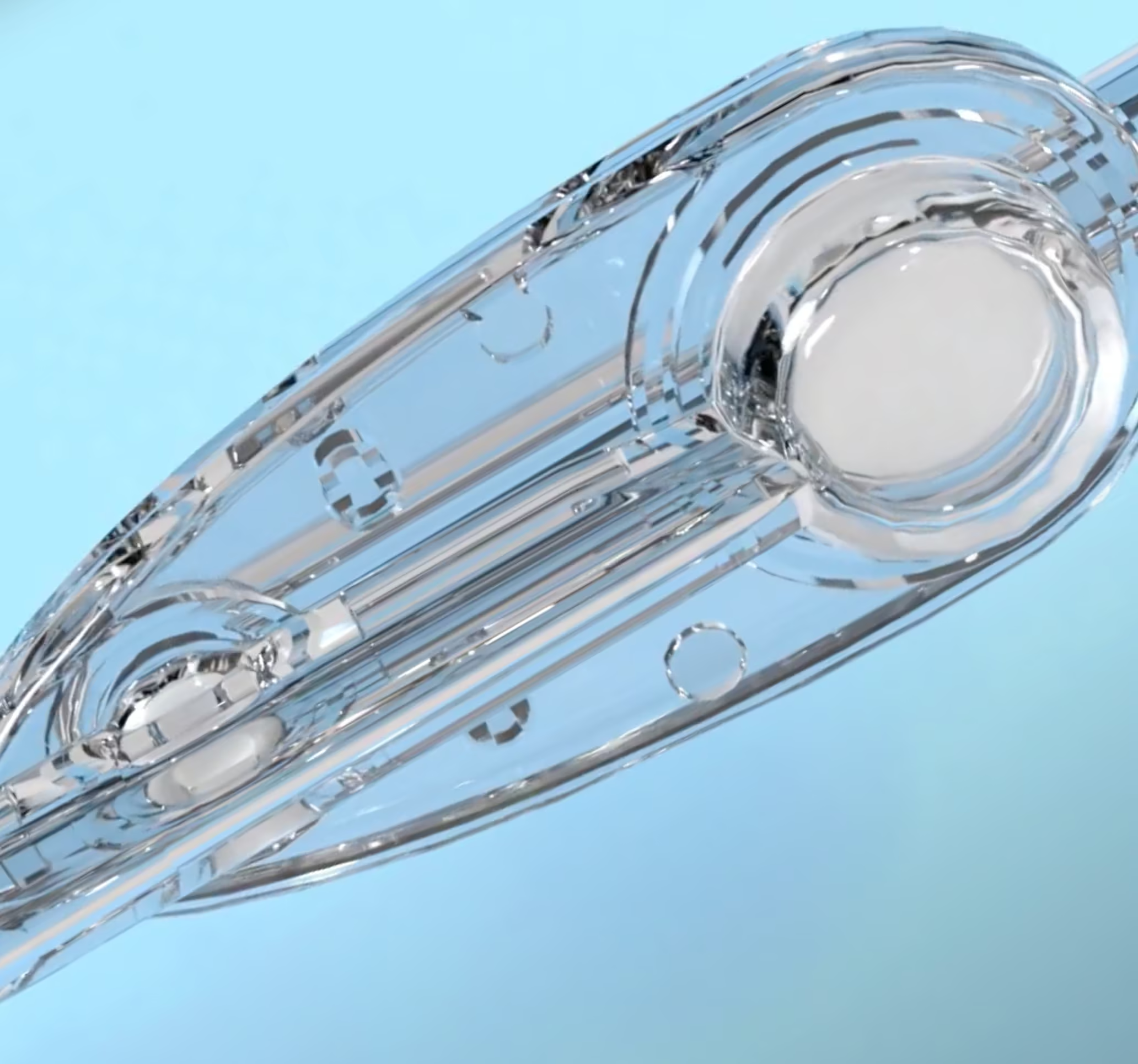
Kurin Jet sidelines the initial 0.15 mL of blood, which may contain contaminants from the patient’s own skin, ensuring that the best possible blood specimen reaches the culture bottle. Clinical studies show that best practice compliance combined with Kurin collection can reduce BCC by more than 80% and drive hospital rates below the recommended 1% target.

The fastest path
to less than 1%

Efficient by design

1
2
3
1.
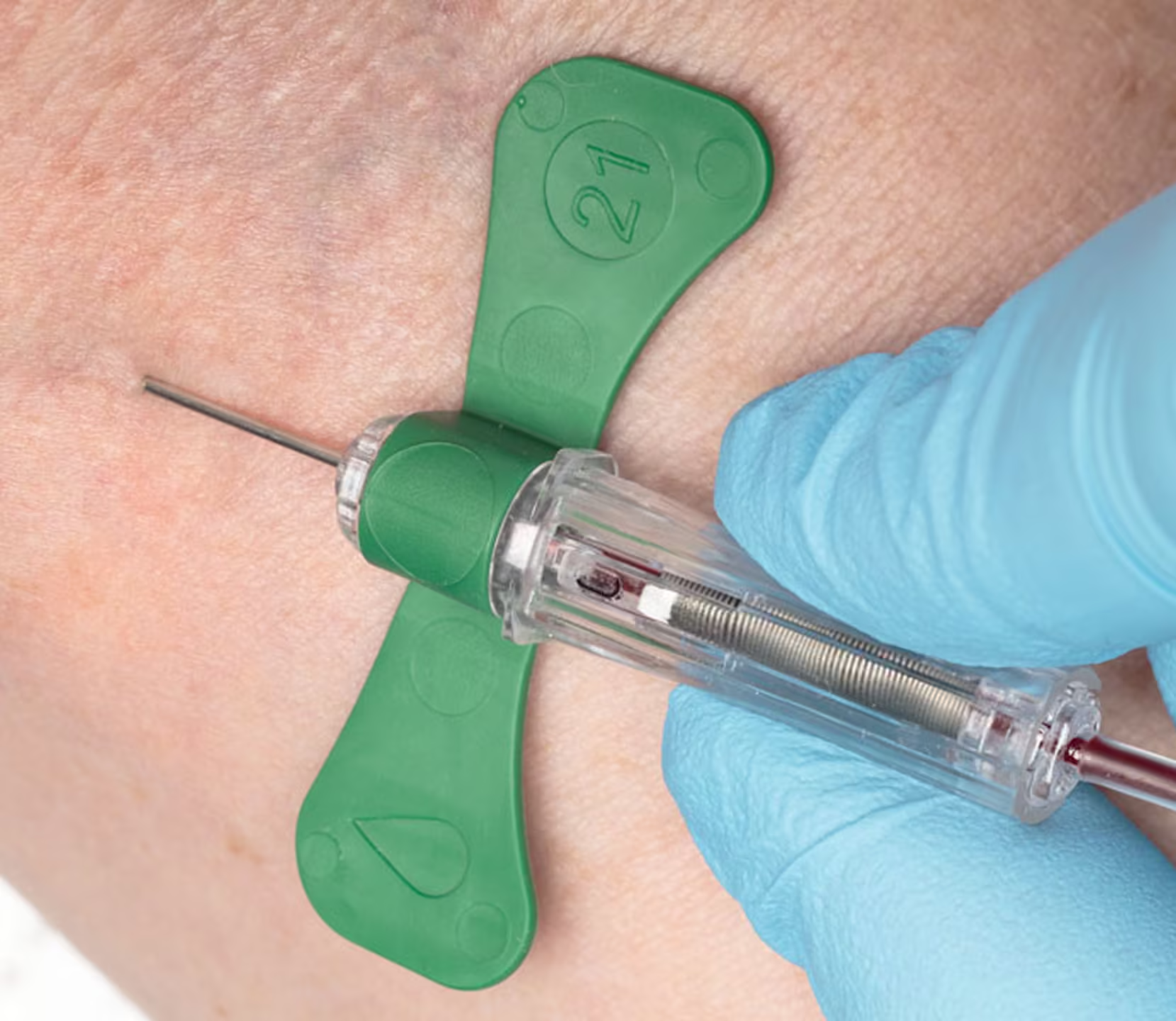
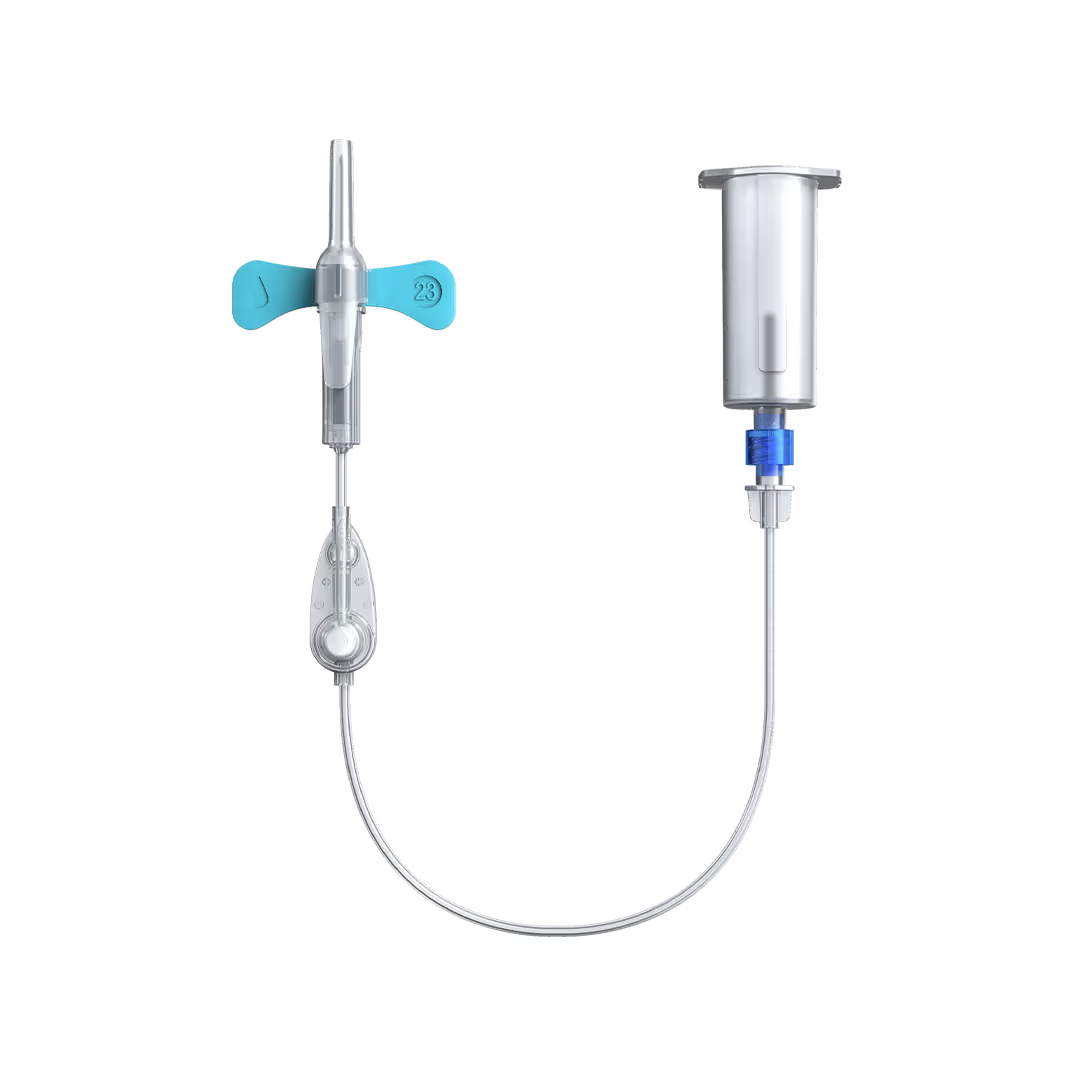
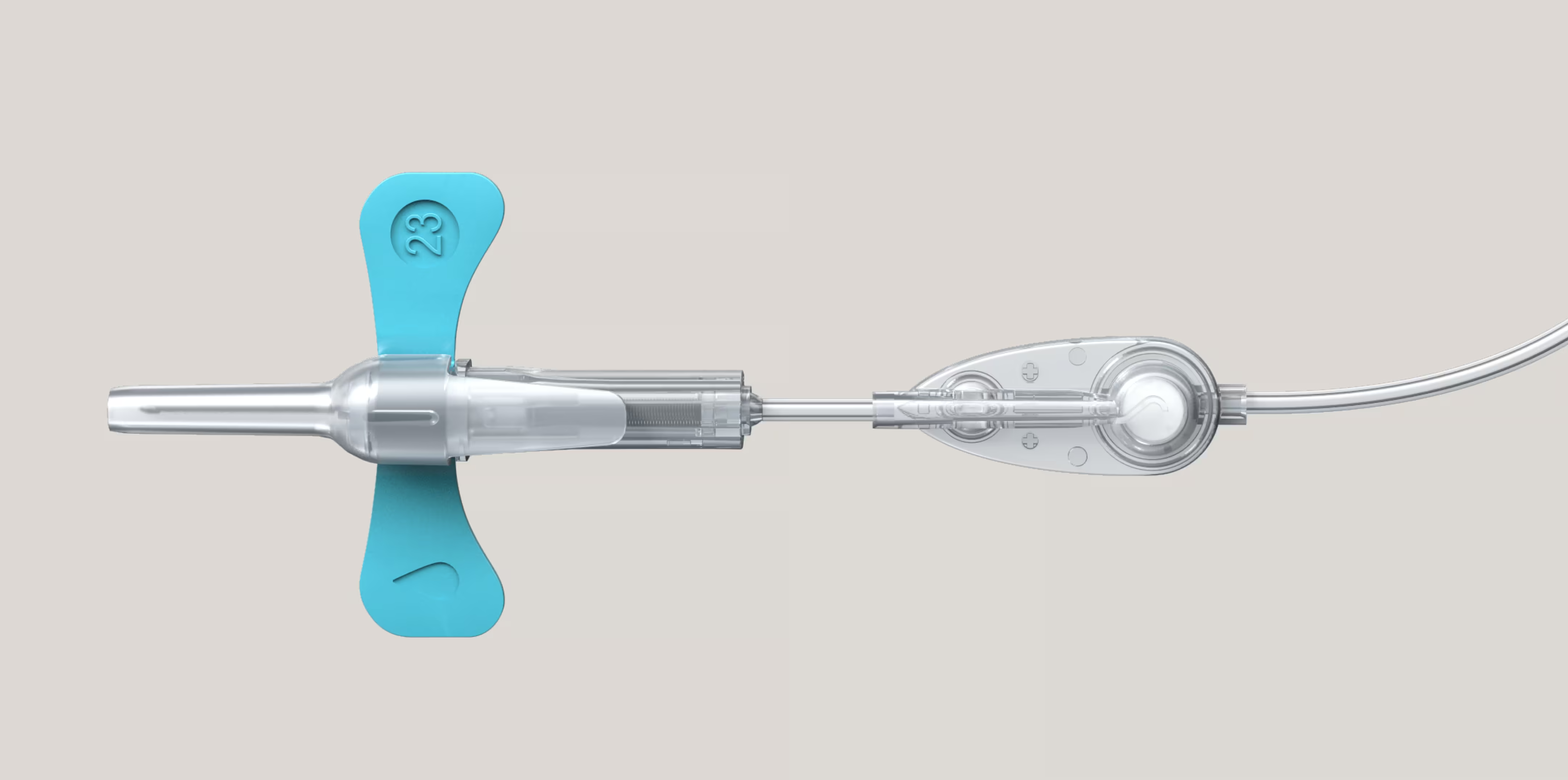
The Kurin Advance needle comes in 21 and 23 gauge.
2.
The Advance push button safety needle features a flash chamber and innovative protractible safety shield.
3.
Jet passive device discard volume = ~0.15 mL
4.
Total discard volume = 0.72 mL for the 12" tubing

No wait.
No extra steps.
No change to practice.

The passive technology incorporated into the Kurin Jet instantly sidelines skin contaminants with no change in collection technique. Flexible configurations support collections from venipuncture, fresh peripheral IV starts, and syringe draws for hard-to-stick patients. Engineered with clinician-driven innovation, Jet’s superior design complements workflow, ensuring high levels of compliance and sustained outcomes.

Proven effective with less blood waste

Kurin helps hospitals reduce BCC below 1% while conserving blood and avoiding unnecessary costs.

Automatic diversion technology, validated in clinical studies, sidelines initial 0.15 mL of blood which may contain contaminants from the patient's skin.

Low waste supports vulnerable patients by helping clinicians preserve blood volume and fill accuracy without slowing workflow.

Clinically proven and

FDA-indicated to reduce BCC*

Facilitates accurate CLABSI and HOB reporting

Supports antimicrobial stewardship efforts

Designed
for clinicians

Improve diagnostic accuracy and clinical outcomes

Return on
investment

Lifetime partnership and clinical support

Video

Kurin Jet
in action

BCC reduction for all blood culture collection methods

Kurin collection sets support diverse blood culture collection needs, including pediatric and difficult-access patients.


Kurin blood culture collection sets are featured in the only published pediatric study of technology-enhanced collection, showing significant BCC reduction.16

With Kurin's extensive catalog of product configurations, there is a tailored solution for each collection method

Venipuncture
Freshly-Placed PIVs
Syringe Draws
Proven Effective in Clinical Practice

 “These [Kurin] devices offer a cost-effective and clinically beneficial strategy to improve diagnostic accuracy and patient outcomes. We anticipate that this approach could help combat the issue of increasing antibiotic resistance.”

Karlath FA, Rehan MA, Geigor A, Mitchell J, Arnaout S, Greenough TC, and Elliso RT.

Open Forum Infectious Disease June 17, 2025

Best practice clinical 
workflow with Kurin Jet

Venipuncture Collections
Freshly Placed Peripheral Catheter Collections

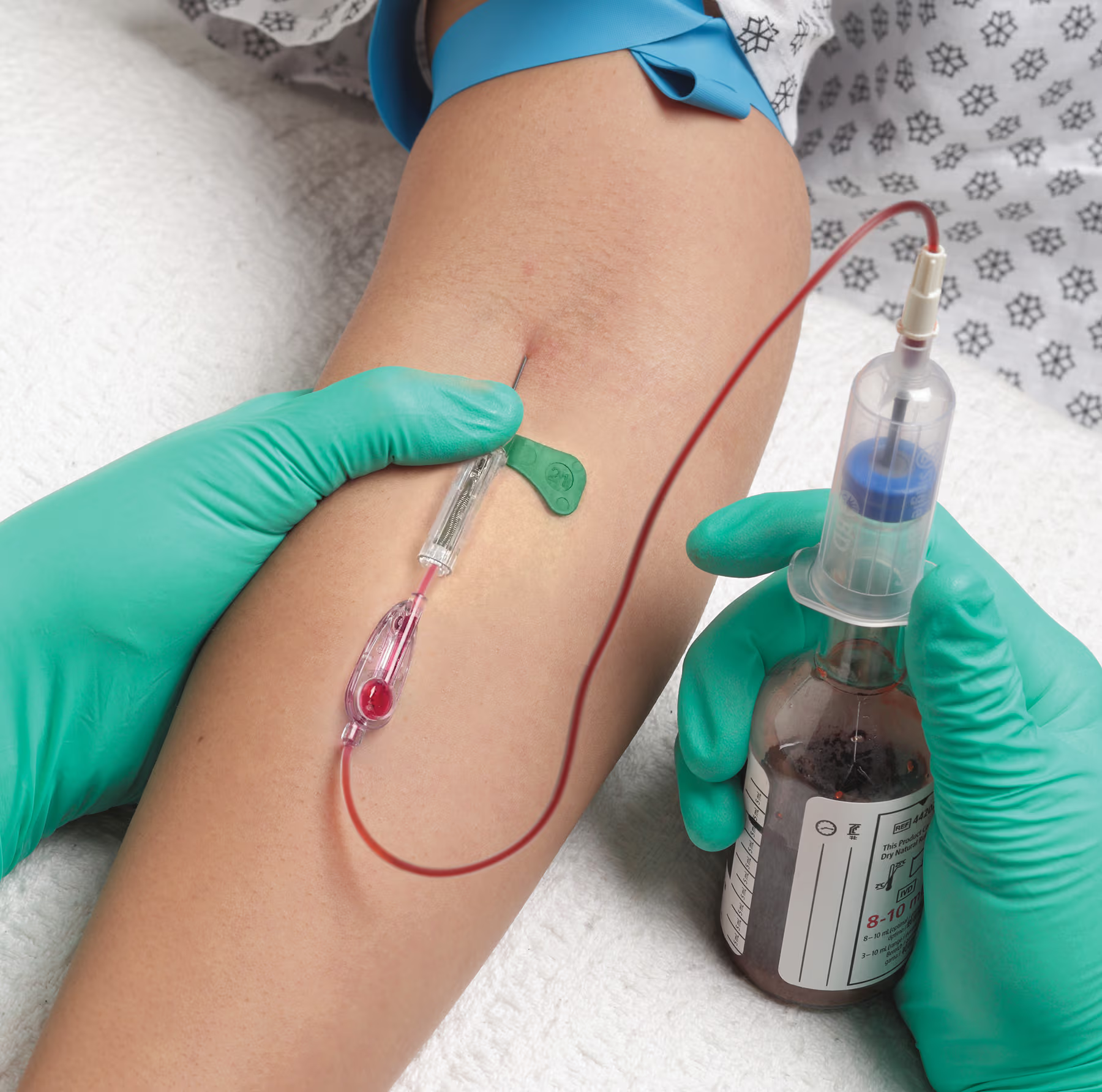
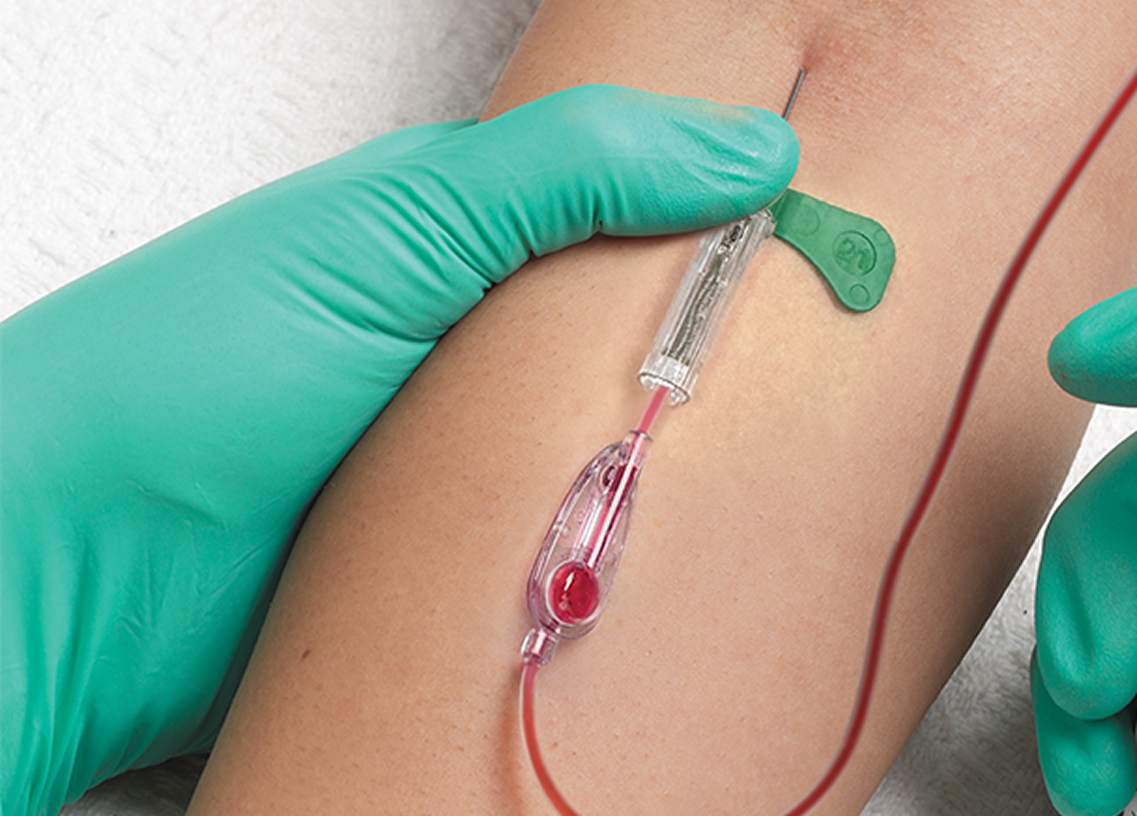
Kurin Jet venipuncture collection sets are sterile, single-use devices that sideline the initial flash of blood and skin contaminants therein.

The collection set includes a winged Kurin Advance Safety Needle to aid in the prevention of needlestick injury, flexible tubing, the Jet device, and a blood culture bottle holder for connection to vacuum-based collection vials. 

  • This device is to be used for blood collection ONLY. 

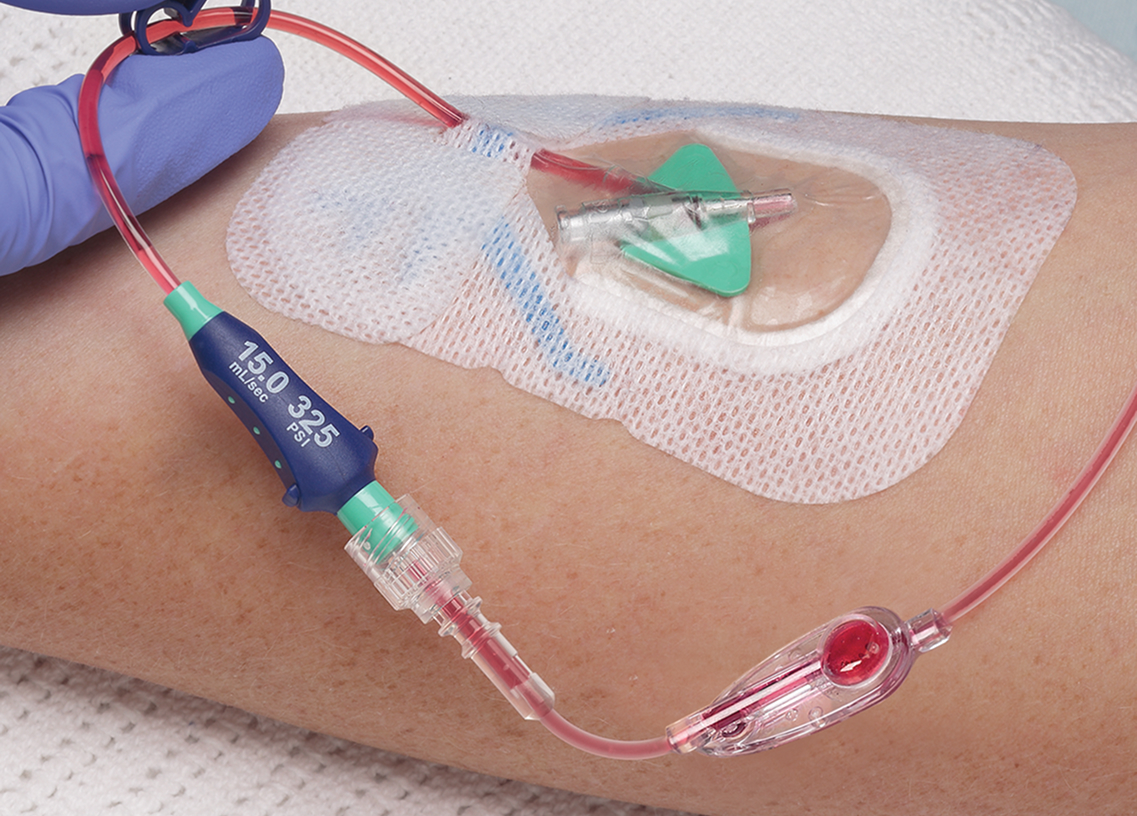
Kurin Jet PIV (12” or 18”) is sterile, single-use blood culture collection set that sidelines the initial flash of blood and skin contaminants therein upon first access to the peripheral catheter. The collection set includes a 6-inch flexible tubing extension set, the Jet device, a blood culture bottle holder, and a male luer intended for direct connection to a freshly placed peripheral IV catheter.

  • This device is to be used for blood collection ONLY.
  • It should be used for ONLY freshly placed peripheral IVs, prior to any infusion.
  • It is not to be used for infusion, IV administration, or transfusion except when supplied with a pressure-rated extension set, which can be detached and used separately.
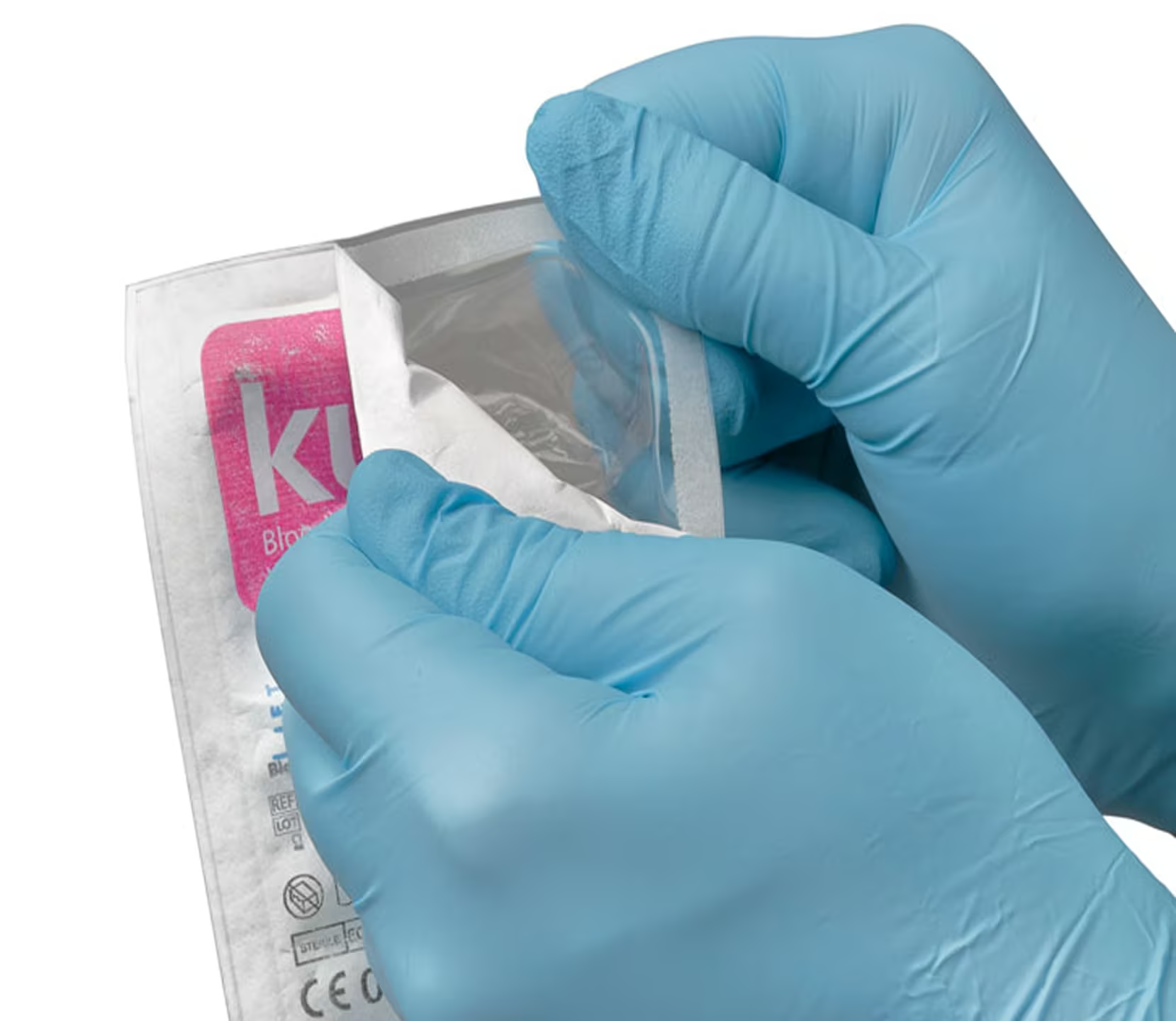
1

Inspect and open the packaging.

Visually inspect the device and packaging to confirm there is no damage (device is not cracked, broken). If the packaging appears to be damaged (punctured, torn) do not use the device. Peel label to remove the device.

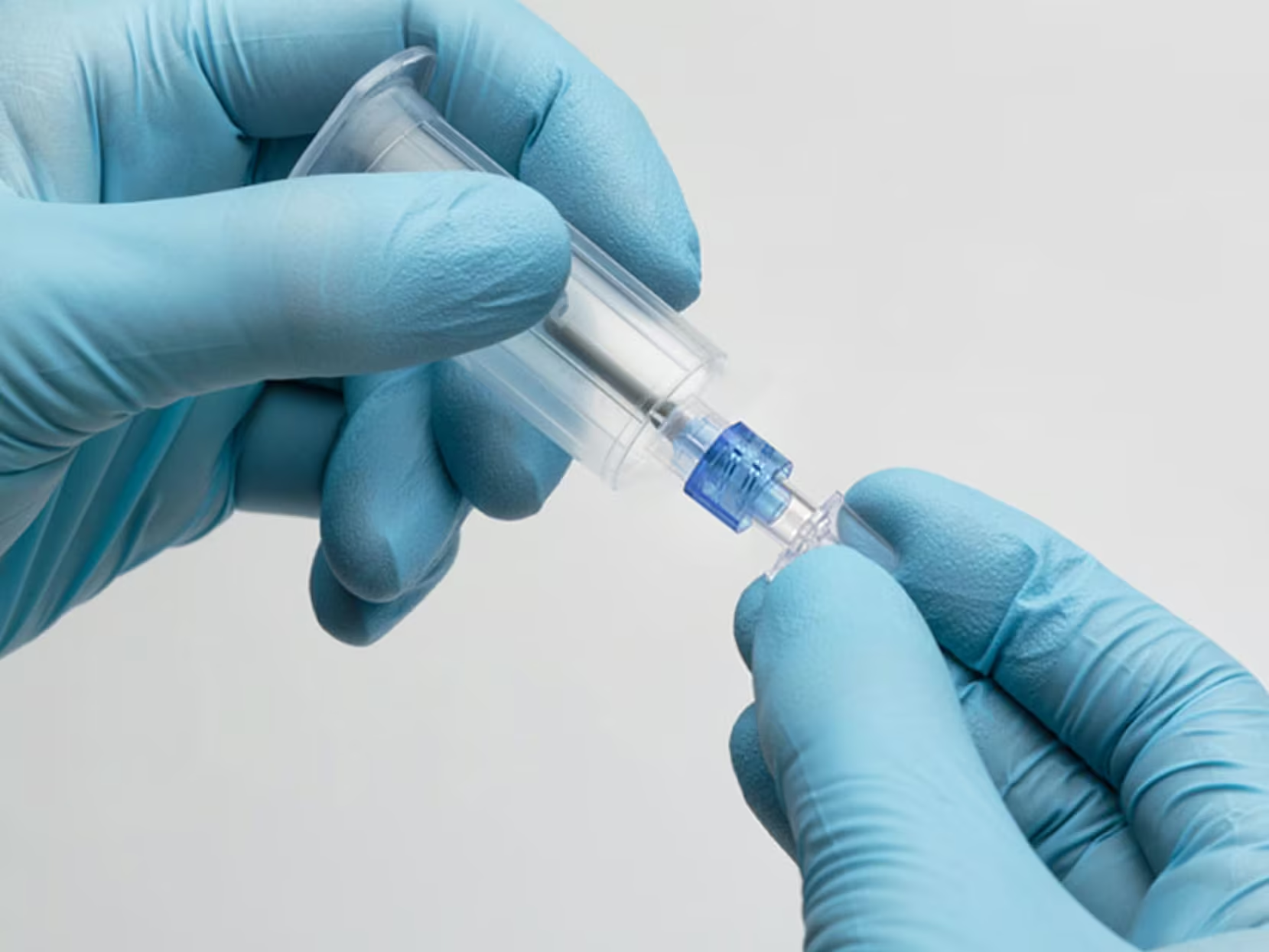
2

Secure connections.

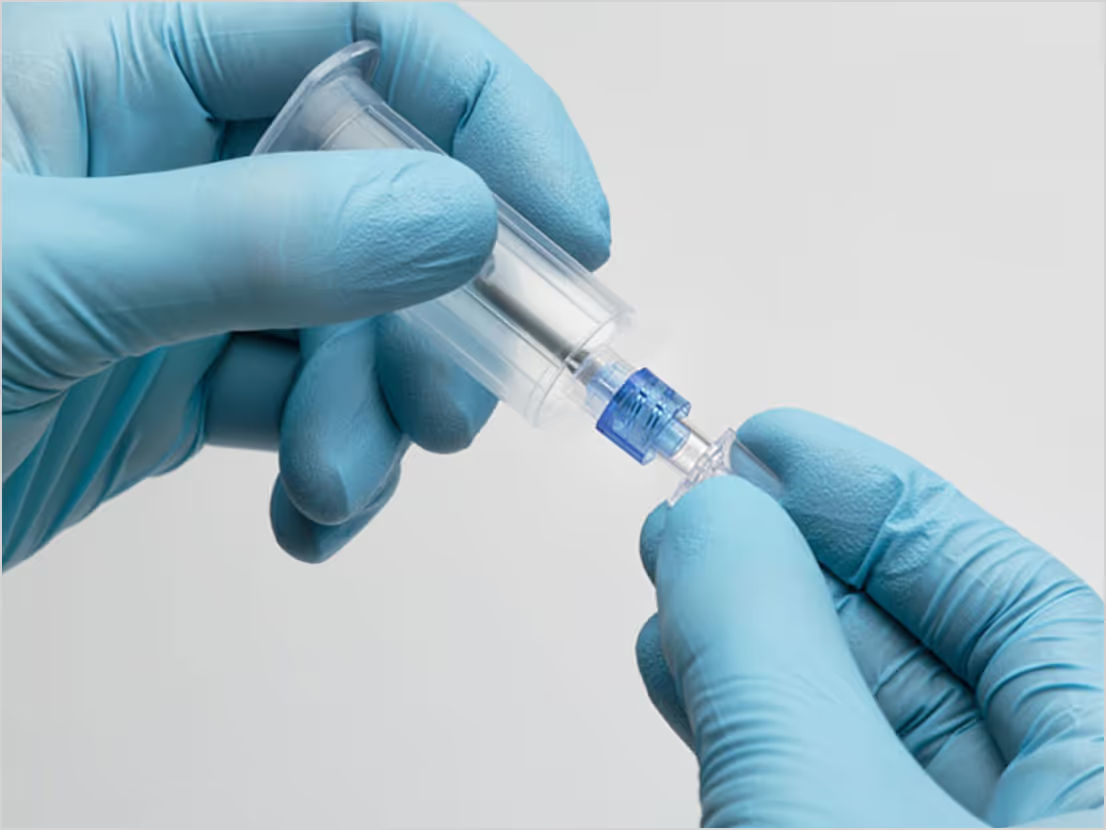
Ensure that the blood culture bottle holder is secure before use. If it is necessary to collect the blood specimen with a syringe, the blood culture bottle holder may be removed.

3

Perform skin antisepsis and venipuncture.

Prep the site per hospital protocol.
Observe the flash of blood into the needle casing to ensure that you are correctly in the vein.

4

Collect specimen(s).

Attach blood collection vials to blood culture bottle holder to collect blood samples and fill according to policy. If collecting additional labs, ensure blood cultures are collected first and then collect additional specimens ordered.

5

Dispose of the set.

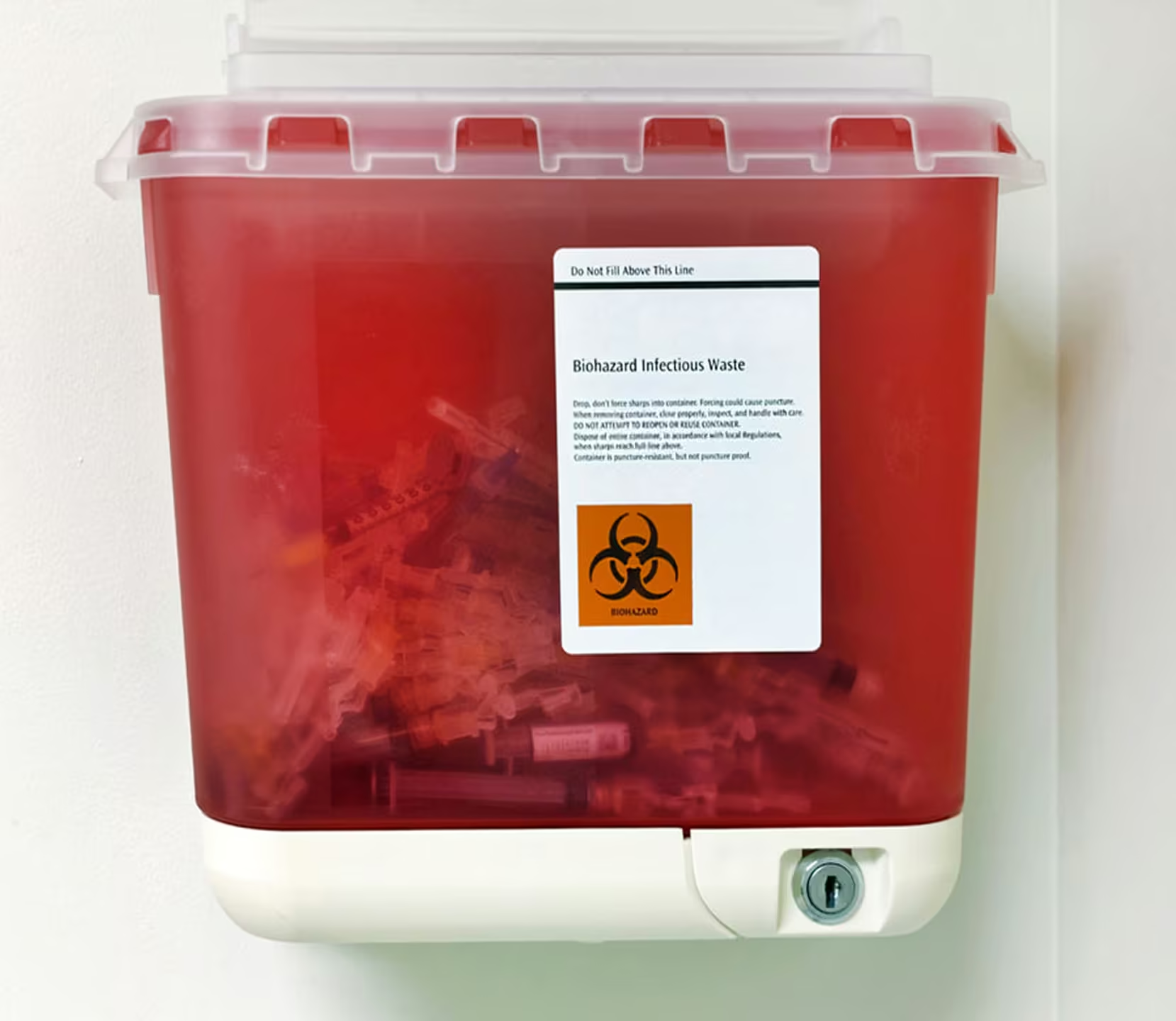
When complete, activate the needle safety mechanism and dispose of the set in accordance with hospital protocol.

6

Provide tracking information.

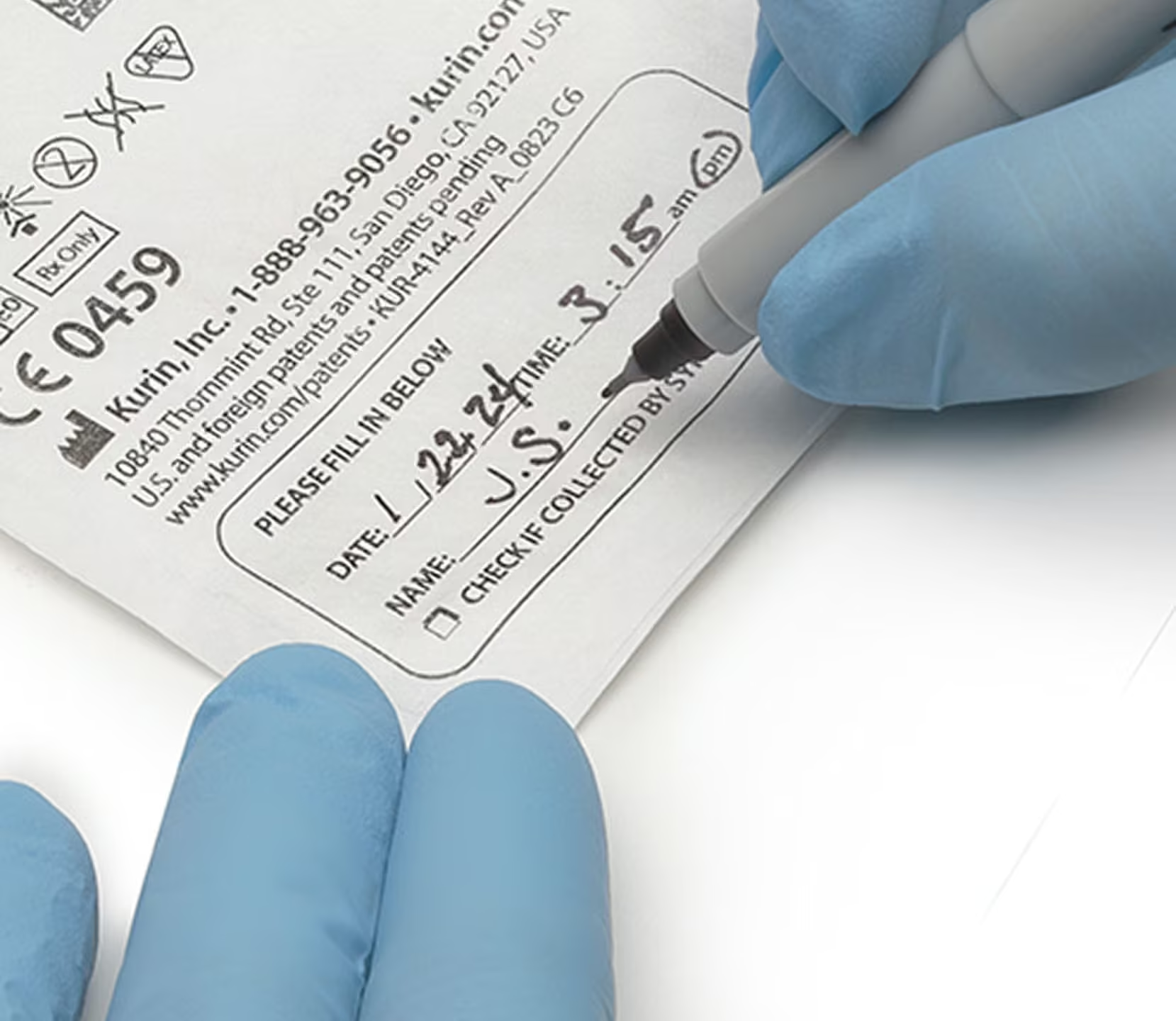
Per hospital protocol, use the provided package lid form to track collections.

1

Inspect and open the packaging.

Visually inspect the device and packaging to confirm there is no damage (device is not cracked, broken). If the packaging appears to be damaged (punctured, torn) do not use the device. Peel label to remove the device.

2

Perform skin antisepsis.

Prep the site per hospital protocol for IV insertion.

3

Ensure that the blood culture bottle holder is secure before use.

A blood culture bottle holder comes pre-attached to the Kurin PIV set to aid in maintaining a closed system for collection. If it is necessary to collect the blood specimen with a syringe, the blood culture bottle holder may be removed.

4

Insert peripheral IV catheter and connect the Kurin extension set.

Place the peripheral IV in accordance with hospital protocol and connect the luer lock of the Kurin set to the PIV catheter.

5

Collect the ordered specimens.

Attach blood culture bottle to blood culture bottle holder to collect blood samples or draw blood using a syringe and fill each bottle according to policy.
If collecting additional labs, ensure blood cultures are collected first and then collect additional specimens ordered.
If the device includes an extension set:
- Complete the collection, engage the clamp and disconnect the Kurin device.
- Attach needleless connector to extension set and flush according to hospital policy.

6

Dispose of the set.

Dispose of the set in accordance with hospital protocol.

7

Provide tracking information.

Per hospital protocol, use the provided package lid form to track collections.

Kurin Jet
ordering information

or submit a purchase order via fax to 1-858-228-5160

BD Bactec® 
Venipuncture Sets with the Kurin Advance Safety Needle
21 Gauge
23 Gauge
DJ-221
DJ-223
Peripheral IV Collection Sets
12-inch
12-inch + extension set 
DJ-PIV12
DJ-PIV18
bioMérieux BacT/Alert® 
Venipuncture Sets with the Kurin Advance Safety Needle
21 Gauge
23 Gauge
MJ-221
MJ-223
Peripheral IV Collection Sets
12-inch
12-inch + extension set 
MJ-PIV12
MJ-PIV18
Thermo Fisher VersaTREK™ REDOX™ 
Venipuncture Sets with the Kurin Advance Safety Needle
21 Gauge
23 Gauge
TJ-221
TJ-223
Peripheral IV Collection Sets
12-inch
12-inch + extension set 
TJ-PIV12
TJ-PIV18
Low-volume Syringe Sets
4-inch
4-inch + extension set
SJ-PIV4
SJ-PIV10
The Kurin Blood Collection System is for use as a blood collection system and its Kurin Lock allows the specimen of blood from the patient to be sidelined prior to the collection of the test sample to reduce the frequency of blood culture contamination when contaminates are present in the initial blood sample compared to blood cultures drawn using standard practice without the Kurin Lock. FDA 510(k) K220667
Order
Download Brochure